

Hibachi isn’t just dinner—it’s a show, a tradition, and a cultural experience that has stood the test of time. While many in the U.S. associate hibachi with onion volcanoes, flying shrimp, and skilled chefs flipping spatulas, the real history of hibachi goes much deeper. Let’s explore how this iconic cooking method evolved from a humble heating tool to a high-energy global dining sensation.
What Does “Hibachi” Really Mean?
The term hibachi (火鉢) literally translates to “fire bowl” in Japanese. Traditionally, a hibachi was a simple open-topped container used to hold burning charcoal, often crafted from ceramic or metal. It was originally designed to heat rooms, not cook food.
These early hibachis date back to Japan’s Heian Period (794 to 1185 AD) and were often found in homes, palaces, and tea rooms. Over time, they evolved into ornate, hand-painted works of art used by the upper class and samurai families.
From Heat Source to Hearth: The Transition to Cooking
While hibachis began as heaters, their utility expanded. As Japan’s access to metal improved, iron-lined hibachis became more durable and functional. People began using them to boil water, light cigarettes, and eventually cook small meals.
However, the modern-day hibachi grill as we know it didn’t emerge until the 20th century—and its rise in popularity actually happened outside Japan.
The Rise of Teppanyaki and Hibachi Confusion
Here’s where things get interesting: what most Americans call “hibachi” is actually closer to teppanyaki—a style of cooking on a flat iron griddle (teppan = iron plate, yaki = grill).
The first restaurant to popularize hibachi-style cooking theatrics was Misono, which opened in Kobe, Japan, in 1945. They introduced teppanyaki with a twist: instead of simply grilling food, chefs performed for the guests with flashy knife work and dazzling fire tricks. It was designed to impress American GIs and tourists post-WWII—and it worked.
This new style of dining quickly spread to the U.S., becoming synonymous with family celebrations and group dining. It’s now commonly referred to as “hibachi” even though the cooking method is teppanyaki.
Hibachi’s Impact on Japanese Cuisine and Culture
Despite its Western reinvention, hibachi remains deeply connected to Japanese heritage. It represents the ingenuity of a culture that transformed a simple heat source into a celebrated social experience. In traditional settings, hibachis are still used during New Year’s festivities, outdoor winter events, and tea ceremonies.
In modern Japanese-American restaurants, the spirit of hibachi lives on through:
- Interactive chef performances
- Fresh ingredients cooked to order
- Community-style seating
- Minimalist seasoning focused on umami and flavor balance
What Makes Hibachi So Popular Today?
The appeal of hibachi lies in its blend of entertainment, customization, and freshness. It’s perfect for:
- Birthday parties
- Weddings
- Corporate events
- Sweet sixteens
- Private dinners
- Engagement parties
- Quinceañeras
- Graduation celebrations
- Beach gatherings
- Cultural events like Agra Hadig
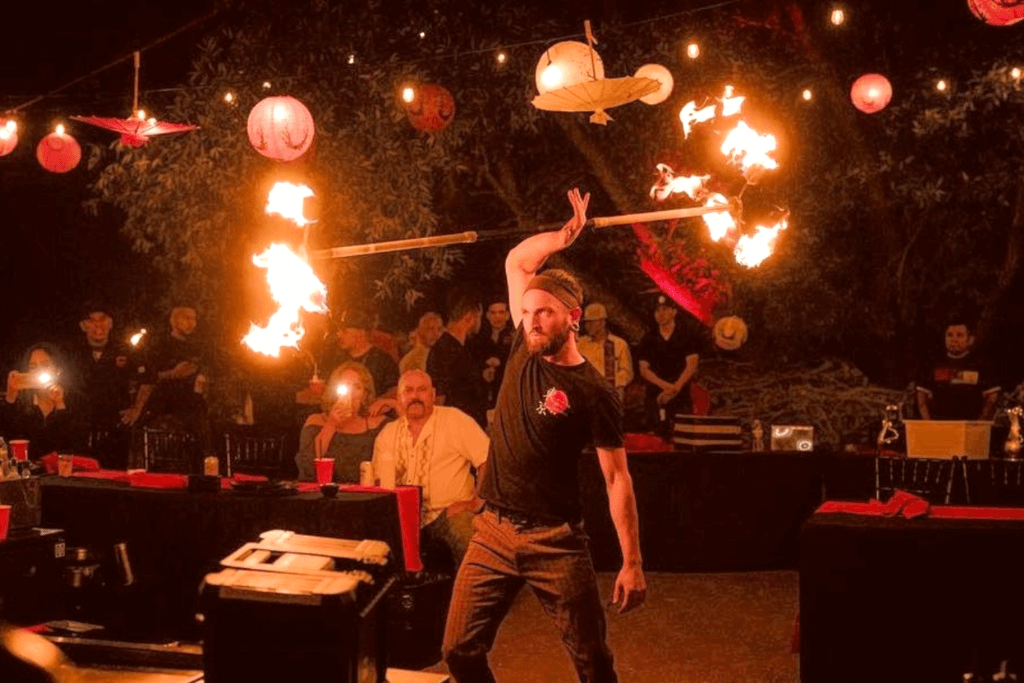
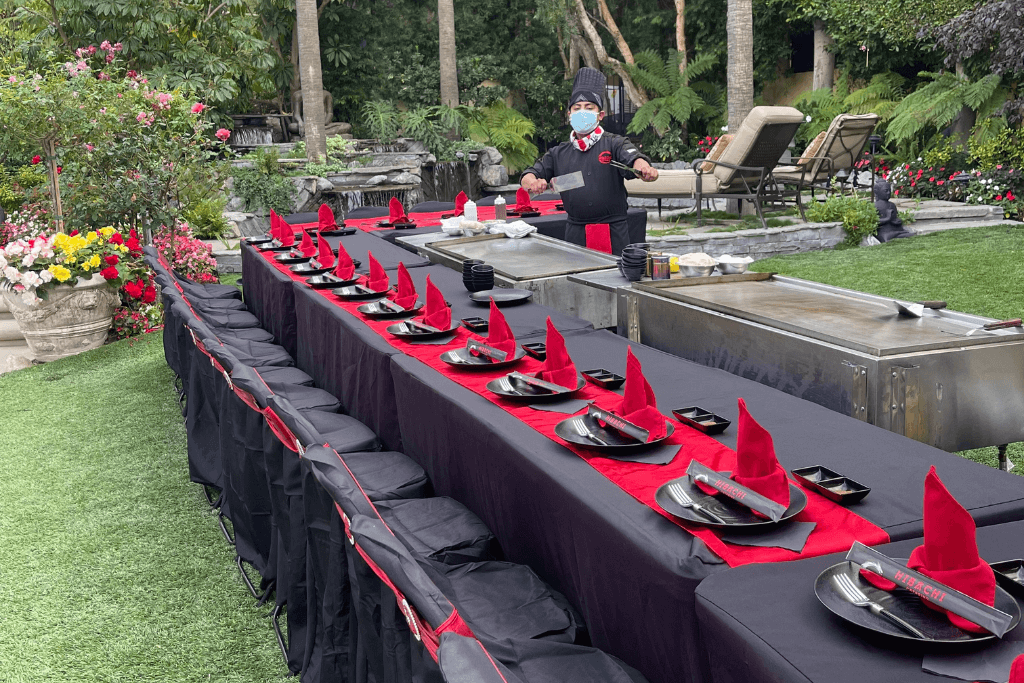
With the rise of mobile hibachi services like Hibachi Catering LA, you can now bring the full hibachi experience to your home, office, backyard, or venue—with a chef, grill, and even a fire show.
The Modern Hibachi Experience: Dining, Culture, and Culinary Artistry
Today’s Japanese steakhouse or hibachi grill experience is a vibrant blend of Japanese culinary traditions, modern showmanship, and full-service catering convenience. Whether you’re enjoying plated meals in a cozy Los Angeles backyard or hosting a company dinner with business catering in West Hollywood, hibachi has evolved far beyond its historical roots.
At the heart of the hibachi dining experience is more than just great food—it’s the excitement of live hibachi chefs performing knife skills, creating fire shows over a charcoal grill, and crafting a memorable event for every guest. Whether it’s Fried rice, Hibachi Steak, Hibachi Chicken, or Hibachi Shrimp, the sizzling magic of a cast-iron grill brings bold flavor profiles to life with minimal yet impactful sauces and seasonings like garlic, pepper, soy sauce, and ginger.
These grilled food options are expertly prepared and presented during special occasions, private events, and event catering celebrations of all sizes. Our event planning services extend across Orange County, Beverly Hills, and San Diego, offering gourmet meals, curated event menus, and the convenience of full-service catering tailored to your needs.
The hibachi experience is also steeped in cultural respect—rooted in Japanese homes and households, echoing the legacy of the Heian period, and symbolized by the iconic fire bowl. By bringing together tradition and modern entertainment, we make every event—from weddings to corporate gatherings—a celebration of both past and present.
Experience the Tradition—Book a Hibachi Event Today
From its humble beginnings as a heating device in ancient Japan to becoming a symbol of culinary performance and flavor, hibachi has journeyed through centuries to become the beloved dining style we know today. Its transformation into a cultural phenomenon—especially in American celebrations—proves that food is more than just nourishment; it’s an experience.
At Hibachi Catering LA, we bring this timeless tradition directly to your event. Whether you’re planning an elegant wedding, a lively birthday party, or a corporate gathering with flair, our hibachi chefs deliver unforgettable performances and top-tier meals right at your venue.
Explore our full list of services to see how we can make your next event sizzle:
- Agra Hadig Catering
- Birthday Party Catering
- Wedding Catering
- Private Dinner Party Catering
- Graduation Party Catering
- Engagement Party Catering
- Cocktail Party Catering
- Beach Party Catering
- Quinceañera Catering
- Sweet Sixteen Catering
- Dragon Fire Show
Book your hibachi event today and turn your gathering into a culinary spectacle.